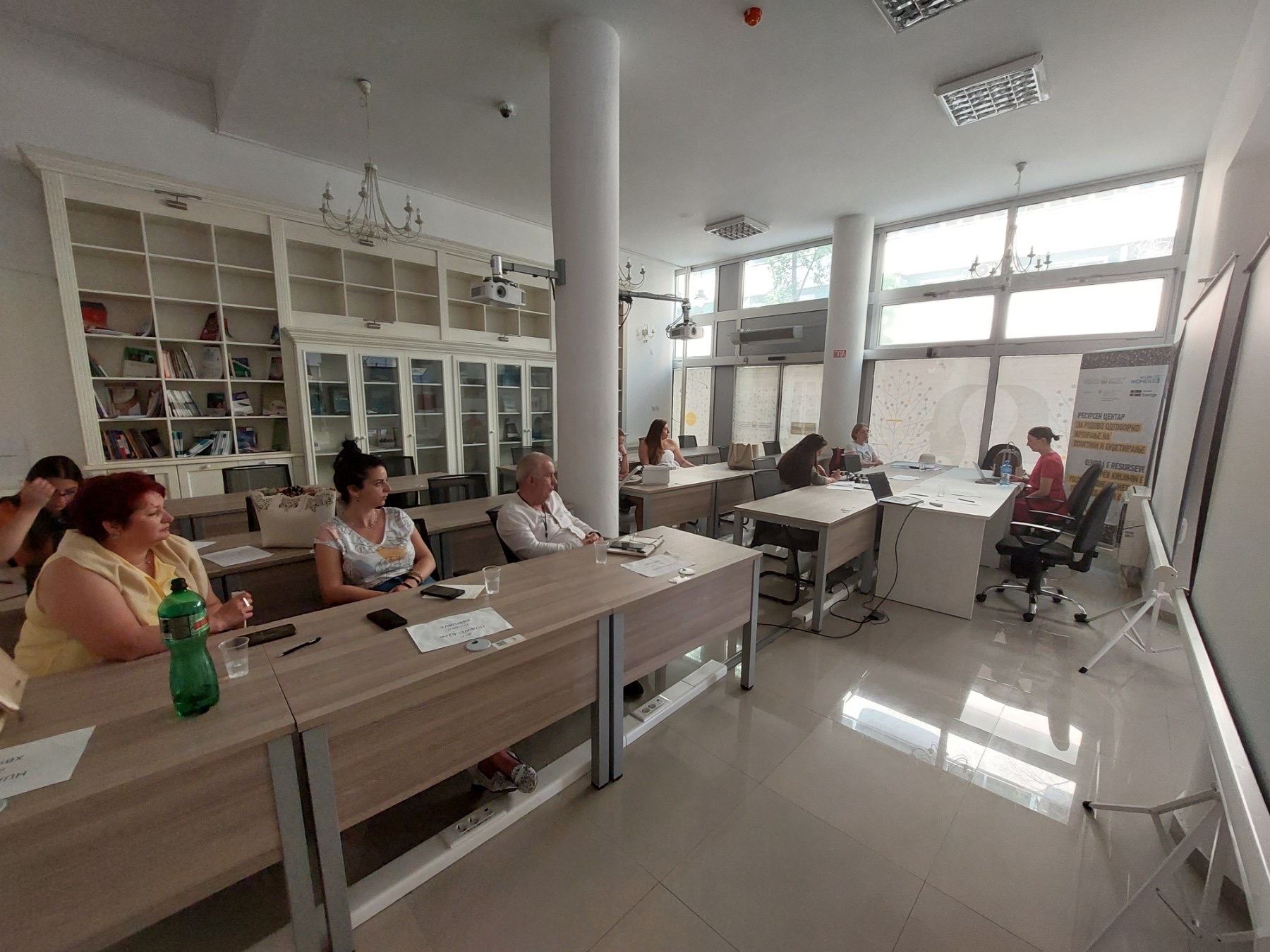
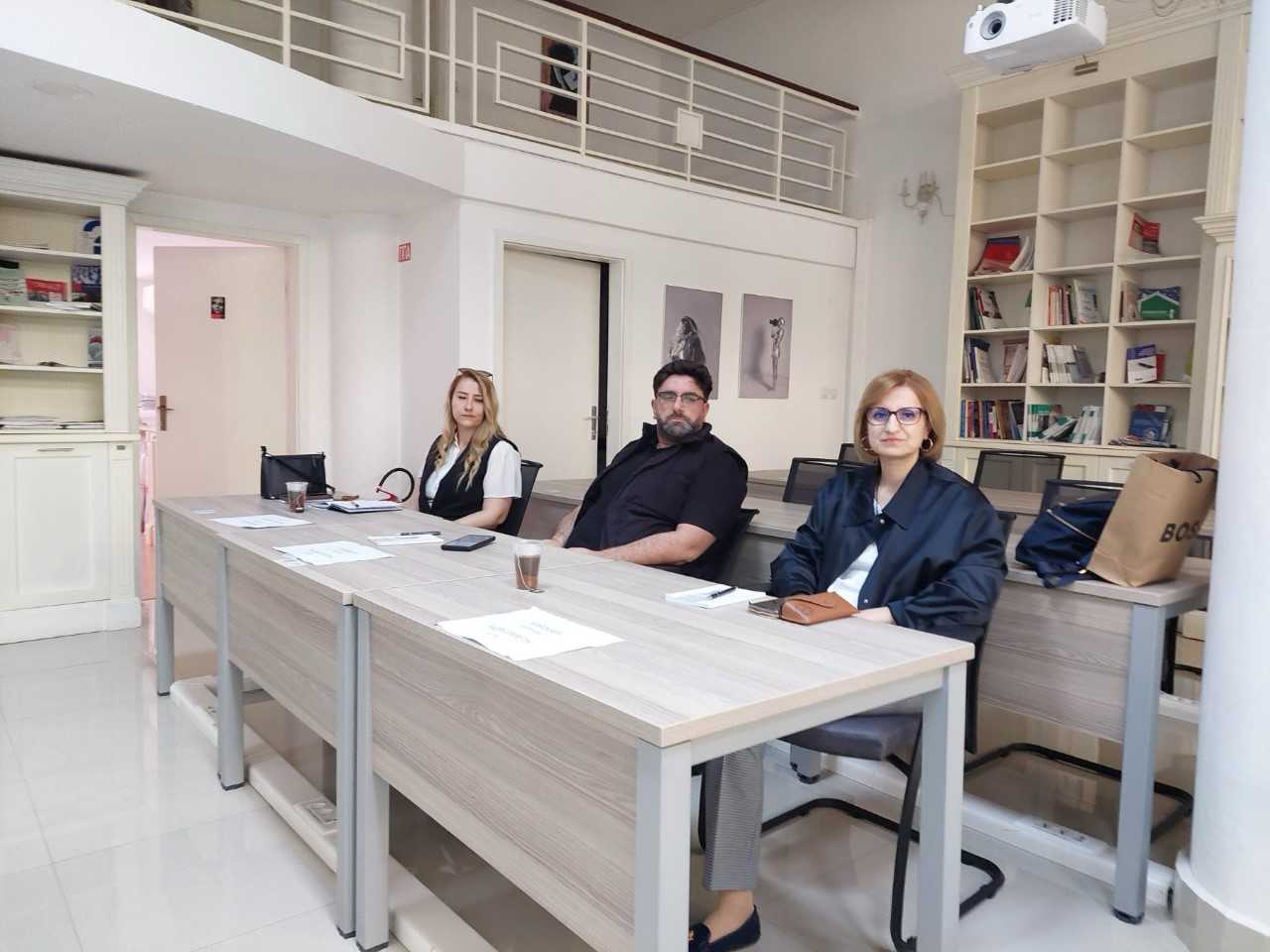
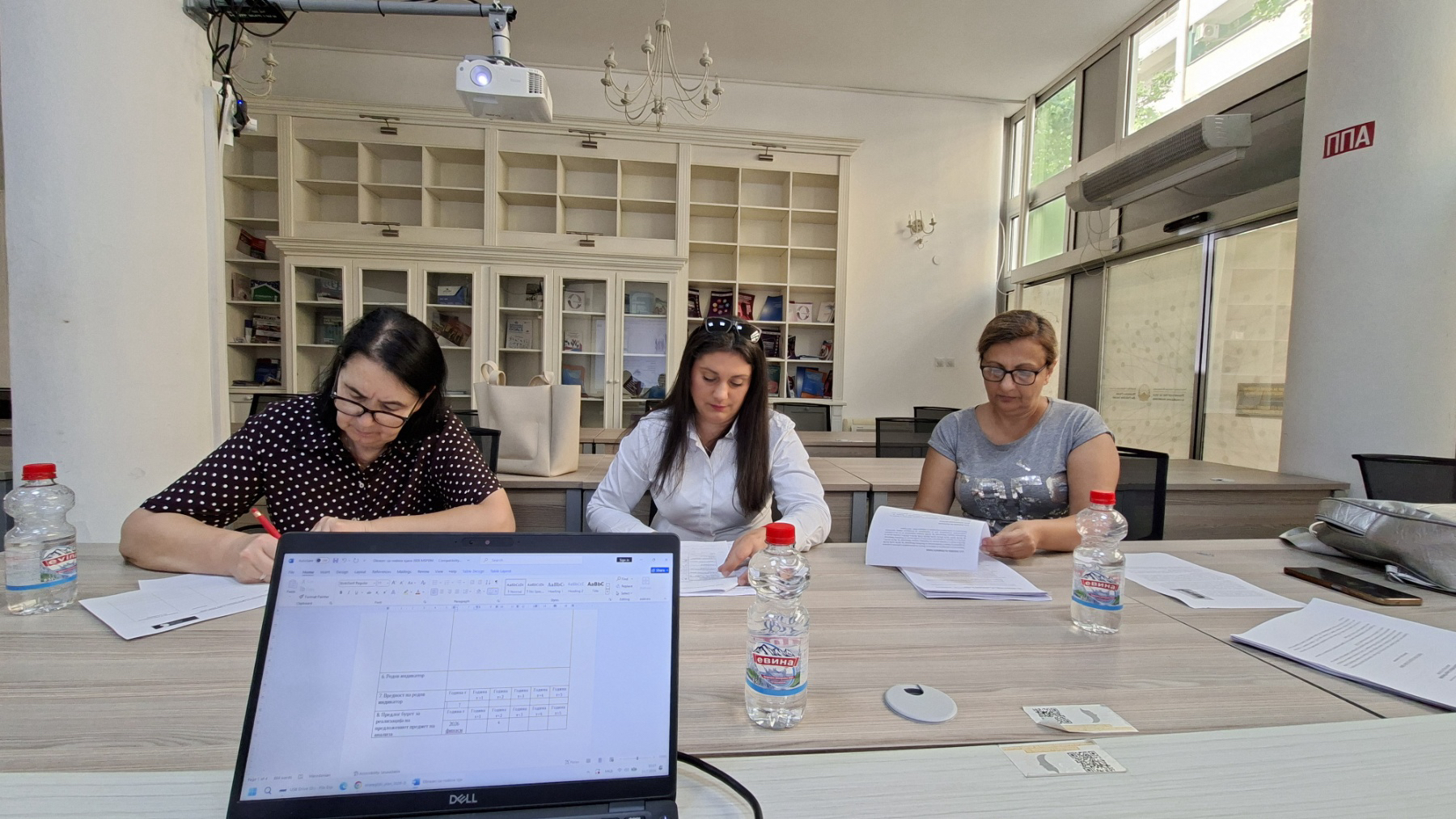
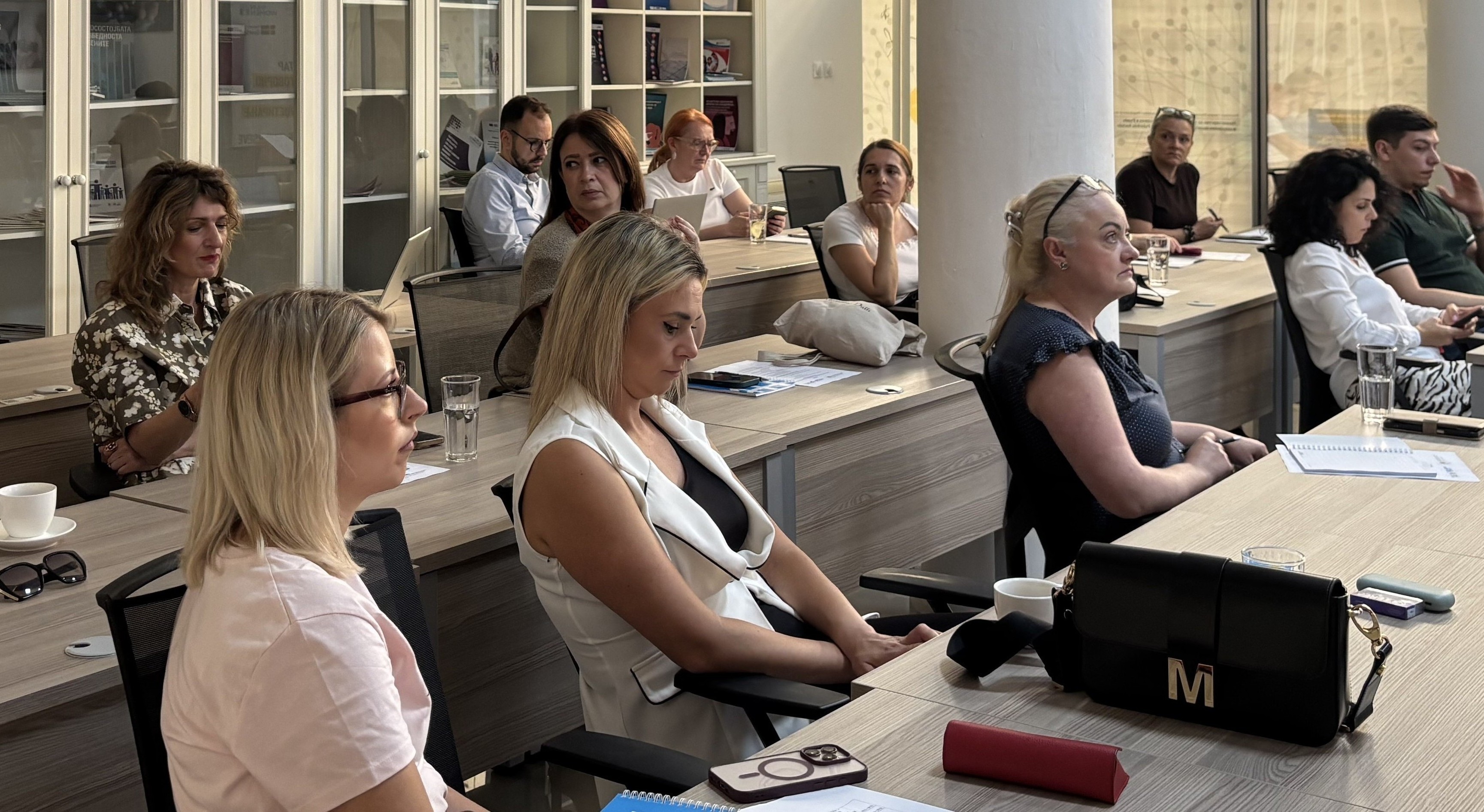
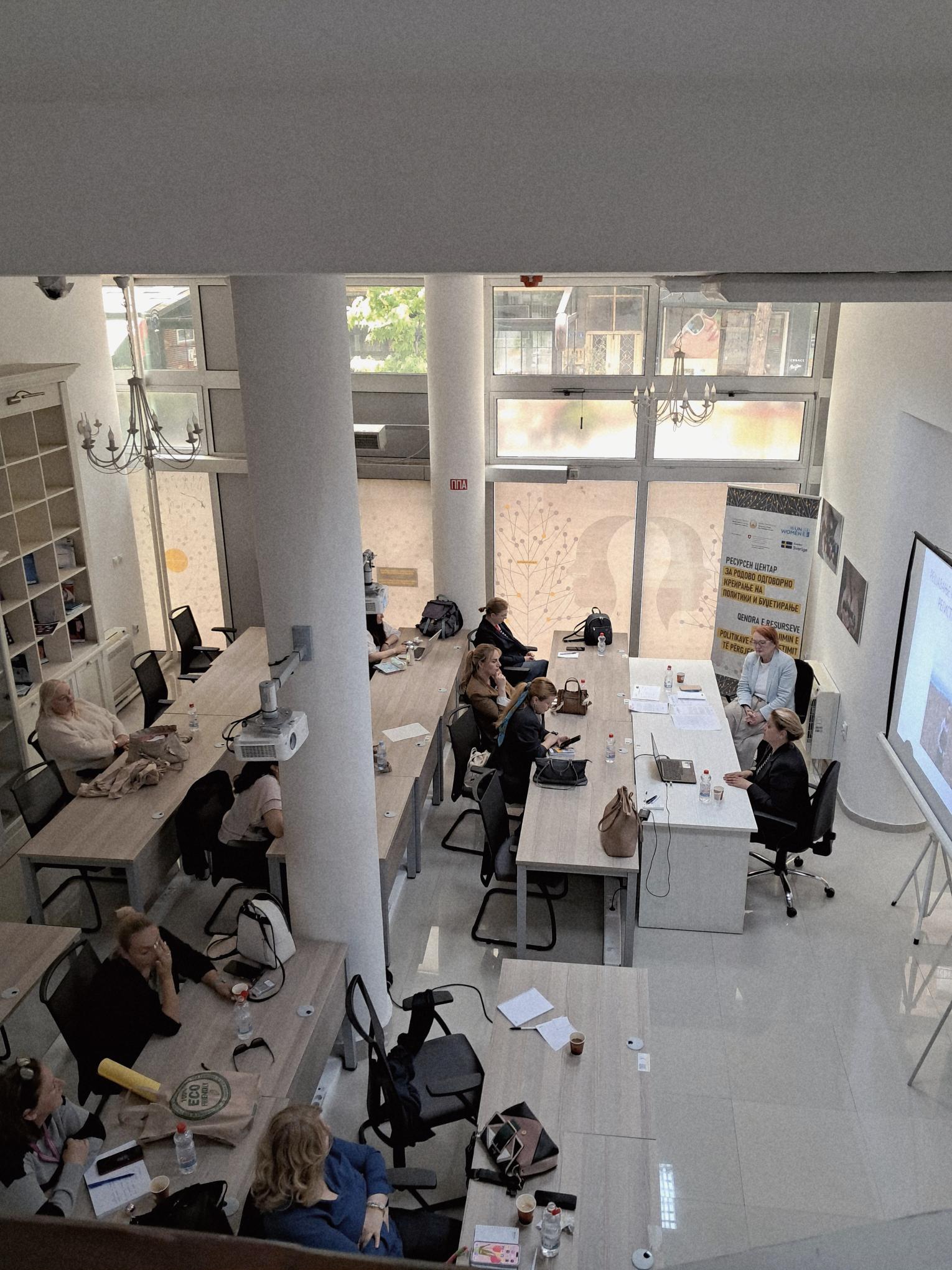
The Resource Center for Gender Responsive Policy and Budgeting held 13 mentoring sessions on gender responsive budgeting for central-level institutions during May and June 2025.
Participants were administrative officials from the Ministry of Transport, Ministry of Energy, Mining and Mineral Resources, Real Estate Cadastre Agency, Agency for Free Access to Public Information and State Commission for Prevention of Corruption, Ministry of Foreign Affairs and Foreign Trade, Ministry of European Affairs, Ministry of Justice, Ministry of Finance, Ministry of Economy and Labor, Agency for Promotion and Support of Tourism in the Republic of North Macedonia, Agency for Support of Entrepreneurship of the Republic of North Macedonia, Ministry of Inter-Community Relations, Ministry of Local Self-Government, Ministry of Health, Institute of Public Health of the Republic of Macedonia, Ministry of Agriculture, Forestry and Water Management, Ministry of Environment and Spatial Planning, Ministry of Internal Affairs, Ministry of Defense and Crisis Management Center, Commission for Relations between Religious Communities, Ministry of Culture and Tourism, Ministry of Education and Science, Ministry of Sports, Center for Vocational Education and Training, Ministry of Digital Transformation, Ministry of Public Administration, State Archives of the Republic of North Macedonia, who are involved in the process of creating policies and budgets, coordinator and deputy. Equal Opportunities Coordinator.
The mentoring sessions are aimed at activities aimed at providing expert support and expert consultations to support administrative officials in the effective application of gender-responsive budgeting tools in accordance with the Rulebook on the form and content of the gender-responsive budget statement and the instructions for completing it.
The Equal Opportunities Sector – Department for Gender-Responsive Policies and Gender-Contractual Budgeting implemented and coordinated the mentoring sessions in cooperation with UN Women and technical support from the Center for Change Management – CUP.
Mentoring sessions to support institutions in the process of gender responsive budgeting
Date: 17.06.2025
Gallery of images
Share:



.jpg)
.jpg)